
As temperatures rise across the UK and the rest of Europe, infection control in healthcare settings becomes more challenging — and more critical. At ProCleanse, we’ve been providing specialist medical cleaning to GP surgeries, dental practices, care homes and NHS facilities since 2009.
Hot weather changes how pathogens behave, how quickly surfaces become contaminated and how urgently thorough cleaning is needed. Here is what we do differently during heatwaves and warm spells to protect your patients, staff and CQC compliance.
Why hot weather increases infection risk in healthcare settings
Warmth accelerates the growth of bacteria, mould and certain viruses on surfaces and in the air. In a clinical environment — where immunocompromised patients and vulnerable individuals are present — this creates a serious risk of healthcare-associated infections (HAIs). Key risks include:
- Bacteria such as MRSA and Clostridioides difficile multiply faster at higher temperatures
- Humid conditions promote mould and fungal spore growth in corners, around sinks and in ventilation grilles
- Bins and clinical waste containers become odorous and more heavily contaminated much faster
- Food-borne pathogens can transfer more quickly from kitchen and staff areas into clinical zones
- Norovirus and respiratory viruses remain viable on surfaces that are touched frequently and cleaned less often
What we do differently during hot weather
1. We increase the frequency of high-touch surface cleans
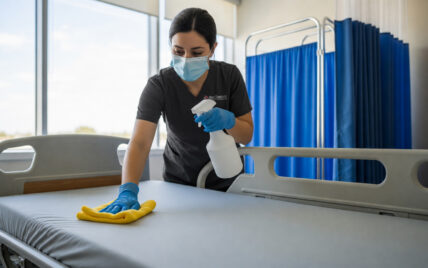
Door handles, light switches, reception desks, nurse call buttons and waiting room chairs are all wiped down more frequently during warm periods. We use EN-certified disinfectant products that are effective against a broad spectrum of bacteria and viruses and comply with COSHH and UKHSA guidelines.
2. We pay close attention to bins and clinical waste
In hot weather, bins are emptied more often and bin areas are sanitised thoroughly at every visit. Clinical waste and yellow bag collections are managed to prevent overflow and odour — both of which indicate heightened contamination risk. Bin lids and external surfaces are disinfected using colour-coded cloths to avoid cross-contamination between clinical and non-clinical areas.
3. We spend additional time in toilets and washrooms
Warm and humid toilet areas are a breeding ground for bacteria. Our teams clean and disinfect all sanitary fixtures, floors, door handles and dispensers with increased dwell time applied to disinfectant products. We replenish hand hygiene supplies — soap and paper towels — at every visit to support the infection control behaviours of your staff and patients.
4. We apply more intensive protocols in kitchens and staff areas
Staff kitchens and break rooms are priority areas in summer. Food residue, damp cloths and uncleaned surfaces can harbour listeria and salmonella at temperatures above 20°C. We clean all worktops, sinks, microwave interiors, fridge handles and kettle bases as standard and report any food hygiene concerns to the facilities manager.
5. Treatment rooms, surgeries and clinical areas receive enhanced protocols
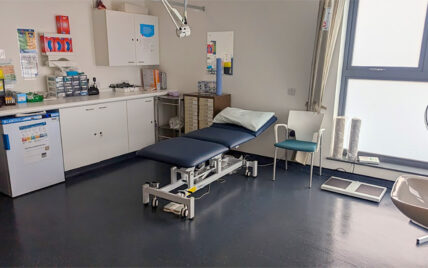
In treatment rooms and consulting rooms, we follow IPC (Infection Prevention and Control) procedures aligned to NHS England and CQC standards. This includes:
- Disinfection of all clinical contact surfaces before and after patient-facing sessions
- Use of two-stage cleaning — detergent clean followed by disinfectant — in line with HTM 07-01
- Targeted attention to clinical couch coverings, equipment trolleys and examination areas
- Floor cleaning with appropriate disinfectant solutions to reduce the risk of environmental contamination
6. Theatre and surgical suite cleaning is escalated during heatwaves
For NHS trusts and independent surgical facilities we serve, theatre cleaning protocols are maintained to the highest standard regardless of season — but in warm weather we give particular attention to:
- Air handling unit grilles and ventilation covers that may accumulate dust and biological matter faster
- Anaesthetic equipment surfaces and instrument prep areas
- Floor and wall junctions where moisture can accumulate and support microbial growth
Pathogen risk at different temperatures — what the data shows
The chart below illustrates the relative risk index for key pathogen groups across temperature ranges. Bacterial and mould risks rise sharply above 21°C — the typical indoor temperature during a UK heatwave. This is why we treat warm weather as an escalation trigger, not business as usual.
Bar chart showing relative pathogen survival and proliferation risk by temperature range in healthcare settings
Bacteria (e.g. MRSA, C. diff spores)
Viral pathogens (e.g. Norovirus, Influenza)
Mould / fungal sporesRelative risk index (0–10 scale) for pathogen survival and proliferation in healthcare environments. Sources: UKHSA, NHS Infection Prevention & Control guidance, HTM 07-01.
Relative risk index (0–10 scale) for pathogen survival and proliferation in healthcare environments. Sources: UKHSA, NHS Infection Prevention & Control guidance, HTM 07-01.
Risk index is indicative, based on UKHSA, NHS IPC and HTM 07-01 guidance. Individual facility risk assessments should always be conducted by a qualified infection control lead.
A quick checklist for healthcare facilities managers during hot weather
Whether you work with us or manage cleaning in-house, use this checklist to confirm your hot weather infection control measures are in place:
- Confirm your cleaning provider has a hot weather or heatwave protocol in place
- Check that bins in clinical and non-clinical areas are being emptied more frequently
- Verify disinfectant products in use are EN14476 or EN1276 certified
- Ensure hand hygiene stations are fully stocked at all times
- Inspect ventilation grilles and air handling units for dust and biological matter
- Confirm two-stage cleaning (detergent then disinfectant)
If you operate a GP surgery, dental practice, hospital or veterinary clinic and want to ensure your premises meet the highest standards of cleanliness and hygiene, whatever. the weather, speak to ProCleanse. Our experienced medical cleaning teams can tailor a solution to your specific environment and operational needs.
📞 Contact ProCleanse today to discuss your requirements or arrange a professional cleaning consultation.
Further reading
Why Cleaning Medical Facilities Should Always be carried out by Professionals
Tiled Floor Deep Cleaning to NHS Standards
Doctors Surgery Floor Cleaning
We don’t just clean what you see