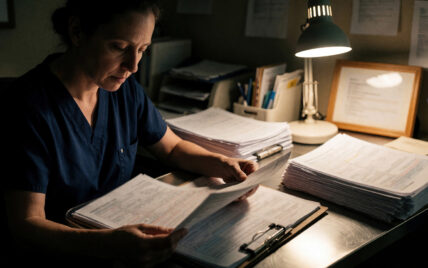
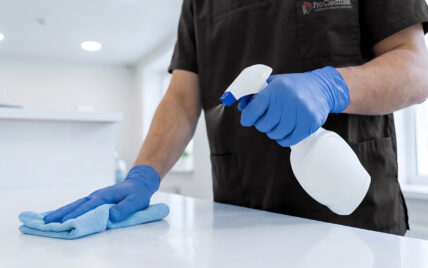
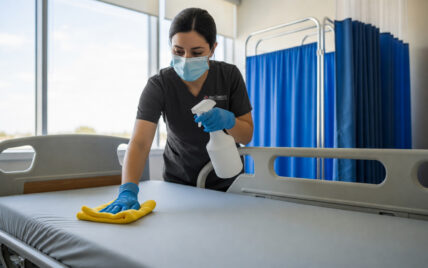
CQC inspection readiness should be an everyday priority for GP practices, rather than something addressed only when an inspection is approaching. For practice managers and GP partners, maintaining high standards of cleanliness and infection prevention is an important part of protecting patients, supporting staff and demonstrating effective management of the practice.
But would your current cleaning arrangements stand up to scrutiny from a Care Quality Commission (CQC) inspector? Our practical guide highlights the key areas to review and the evidence your practice should have available.
What Are the CQC Cleaning Requirements for GP Practices?
The CQC assesses infection prevention and control against Regulation 12 (Safe Care and Treatment) and Regulation 15 (Premises and Equipment). Practices must maintain appropriate hygiene standards and demonstrate that effective measures are in place to manage infection risks.
CQC Inspection Readiness: Cleaning Checklist
Use the following checklist to review your practice’s cleaning arrangements with your infection prevention and control lead and cleaning contractor.
1. Documented Cleaning Schedules
Maintain a written cleaning schedule identifying the areas, surfaces and fixtures requiring cleaning, how frequently tasks should be completed and who is responsible. Particular attention should be given to treatment rooms, consultation rooms, patient toilets, reception areas and frequently touched surfaces.
2. Infection Prevention and Control
Ensure your cleaning arrangements support your practice’s infection prevention and control (IPC) policy. Appropriate cleaning products, colour-coded equipment and clearly defined responsibilities help minimise cross-contamination between clinical and non-clinical environments.
3. Cleaning Staff Training
Cleaning operatives should receive training appropriate to the healthcare environment in which they work. Review training records, competency assessments and procedures relating to cleaning products, personal protective equipment and infection prevention.
4. Cleaning Audits and Quality Assurance
Regular audits help identify shortcomings and demonstrate that cleaning standards are being monitored. Keep records of audit findings, corrective actions and subsequent reviews to show how identified issues have been addressed.
5. Clear Cleaning Responsibilities
Make sure your cleaning contractor and clinical team understand their respective responsibilities. Clinical equipment, examination couches and reusable medical devices may require specific procedures that fall outside the general cleaning contract. Unclear responsibilities can result in important tasks being overlooked.
What Cleaning Evidence Should Be Available?
- Current cleaning schedules and specifications.
- Cleaning completion records.
- Staff training and competency records.
- Cleaning audit reports and corrective actions.
- Relevant risk assessments and COSHH documentation.
- Clearly documented cleaning responsibilities.

How ProCleanse Supports CQC Inspection Readiness
Established in 2009, ProCleanse provides specialist medical cleaning services across Liverpool and Merseyside, Wirral and Cheshire. Our trained operatives, tailored cleaning programmes and ongoing quality assurance procedures help healthcare providers maintain consistently high standards of cleanliness.
Managing Director Darren Mitchell personally works with practice managers to understand their premises, cleaning requirements and operational priorities, helping to develop a service that supports their infection prevention and control arrangements.
Frequently Asked Questions
Does the CQC inspect cleaning standards in GP surgeries?
Yes. Cleanliness and infection prevention arrangements form part of the CQC’s assessment of safe care, premises and equipment.
How often should a GP surgery be cleaned?
Cleaning frequencies should be determined by the risks associated with each area, its usage and applicable healthcare guidance.
Are cleaning audits important for CQC inspections?
Yes. Audits help demonstrate that cleaning standards are monitored and that identified shortcomings are addressed.
Does outsourcing cleaning guarantee CQC compliance?
No. A specialist cleaning contractor can support compliance, but the registered healthcare provider retains responsibility for meeting the applicable CQC regulations.
Can ProCleanse arrange a site survey of our GP practice?
Yes. ProCleanse offers a free, no-obligation site survey to assess your premises and discuss your cleaning requirements.
Is It Time to Review Your GP Surgery Cleaning?
Speak directly to Darren Mitchell about your practice’s cleaning requirements. Call 0151 659 1001 or request a free, no-obligation site survey.